Best Evidence-Based Drug Abuse Therapy Strategies Expose Efficient Methods For Addiction Healing, But Which Method Will Genuinely Change Your Trip? Discover The Opportunities


Short Article By-Persson Gillespie
When it concerns overcoming addiction, recognizing the most effective evidence-based therapy techniques is vital. You could discover that Cognitive Behavioral Therapy or Medication-Assisted Treatment resonates with your needs. Each technique provides one-of-a-kind advantages, yet knowing which one to choose can really feel frustrating. As you explore these options, take into consideration exactly how they can support your trip. What might truly set you on the course to healing? Let's take a more detailed take a look at these strategies and how they can work for you.
Understanding Evidence-Based Therapy for Drug Abuse
When you're seeking aid for substance abuse, understanding evidence-based treatment is essential. This approach relies upon scientific research and information to assist your recuperation trip. It's not almost what feels right; it has to do with what's shown to function.
Evidence-based therapy includes various approaches, including therapy, drug, and support system, customized to your one-of-a-kind requirements. By focusing on Highly recommended Internet site backed by research, you're more probable to attain long-term success in getting rid of dependency.
Furthermore, these therapies commonly adapt to new findings, ensuring you obtain the most effective treatment. Accepting evidence-based choices encourages you to make enlightened choices, improving your opportunities of recuperation and a much healthier future.
Trick Evidence-Based Methods in Dependency Recuperation
Although various methods exist for addiction recovery, certain evidence-based strategies stand out for their performance.
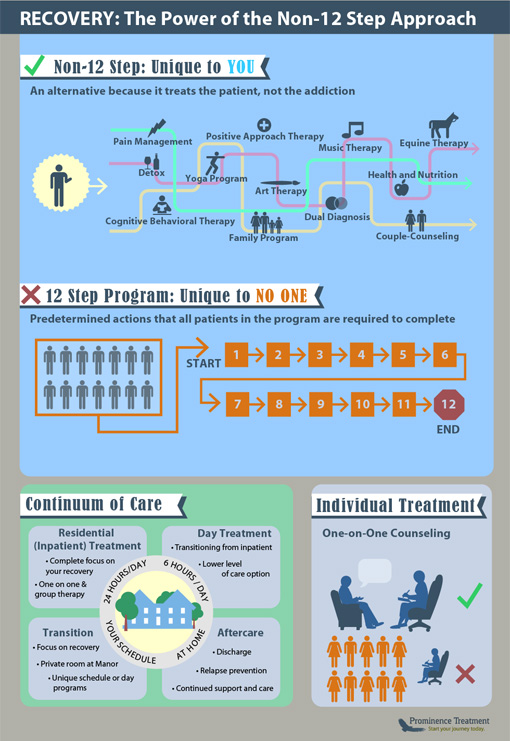
Cognitive Behavior Modification (CBT) assists you identify and alter unfavorable idea patterns, making it less complicated to manage triggers.
Motivational Interviewing urges you to explore your reasons for change, boosting your commitment.
Medication-Assisted Treatment (MAT) combines behavioral therapy with medicines to lower cravings and withdrawal signs.
Twelve-Step Facilitation Therapy introduces you to support groups like Twelve step programs, fostering community and liability.
Finally, Dialectical Behavior Therapy (DBT) focuses on emotional policy, helping you manage stress and anxiety and boost connections.
Each of these methods uses one-of-a-kind advantages, assisting you towards a lasting healing path tailored to your demands.
Just how to Choose the Right Therapy Technique for You?
Exactly how can you establish the most effective treatment method for your recovery trip? Begin by analyzing your specific requirements.
Consider elements like the severity of your dependency, any type of co-occurring mental health problems, and your personal preferences. Research various treatment options, such as inpatient, outpatient, or support system, and recognize their benefits and restrictions.
Consult with healthcare specialists that specialize in dependency. They can guide you through the choices and aid you develop a tailored plan.
Don't think twice to ask inquiries and share your issues; this is crucial for finding what reverberates with you.
Remember, Highly recommended Internet page to equip you and fit flawlessly into your lifestyle, advertising a sustainable path towards recuperation.
Trust fund your impulses as you make this crucial decision.
Sustaining Long-Term Recovery: Aftercare and Relapse Prevention
Supporting long-term recovery requires a proactive method to aftercare and regression avoidance. Once you have actually completed your initial therapy, it's vital to stay engaged with support systems.
Think about joining a support group, like AA or NA, to connect with others who recognize your journey. Regular check-ins with a counselor or therapist can aid you navigate challenges and enhance your coping abilities.
Creating an individualized regression avoidance plan is crucial. Determine your triggers and develop methods to handle food cravings.
Take part in healthy and balanced tasks that promote well-being, such as workout, pastimes, or mindfulness methods. Bordering on your own with favorable impacts and preserving a solid support network can considerably boost your chances of continual recuperation.
Conclusion
To conclude, finding the appropriate evidence-based treatment for chemical abuse is crucial for your healing journey. Whether you choose Cognitive Behavioral Therapy, Medication-Assisted Therapy, or another strategy, each method uses special benefits customized to your requirements. Remember, ongoing assistance and aftercare are essential for preserving long-term recuperation and preventing relapse. Keep committed to your path, and don't be reluctant to look for assistance when required. Your journey to a healthier life is within reach!